Think Clearly #10.02: Finding proof in the physical world
Bridging the gap between feeling amazing and hard evidence

Mathias is a writer who is currently obsessed with AI tools and keeps postponing the time to write, so now he has forced himself to write and share one thing every week.
Hello Amazing!
But does this whole AI thing really work? Or does it just feel amazing? That’s a question that has remained in the back of my mind, with no definitive way to answer.
Using AI tools helped me begin digitizing my giant archive of physical notebooks and turn it into a 3D world, which would have been way too costly to do without. But not impossible. And do I really need a 3D world of my old notebooks anyway?
I also used AI to translate my investment strategy and priorities into a tool that helps me manage my portfolio. It’s more thoughtful and intentional than what I did before, so it feels like I’m more in control. But it’s hard to evaluate if it really works, because what should I compare it to?
It has helped me tackle my cross-border tax complications. At least that’s how it seems. My accountant has filed the results, and I believe it has been done accurately (and certainly more accurately than in the past, where I relied on gross estimates because I simply didn’t know how to do it). But in the end, I won’t really know. I could be subject to an audit in two years, which could show that AI made some huge mistake.
In all of these cases, AI has helped me do something I feel like I couldn’t have done without it. Yet it feels like it falls just short of true, hard evidence.
Most recently, I have enlisted AI’s help in figuring out how to fix the bottom bracket on my gravel bike. This has been worn out a few times in the past, and it’s one of those bike maintenance things I haven’t managed to do myself. I also know that the two times I had a professional mechanic fix it, it caused him significant trouble both times, which didn’t exactly encourage me to “just go for it.”
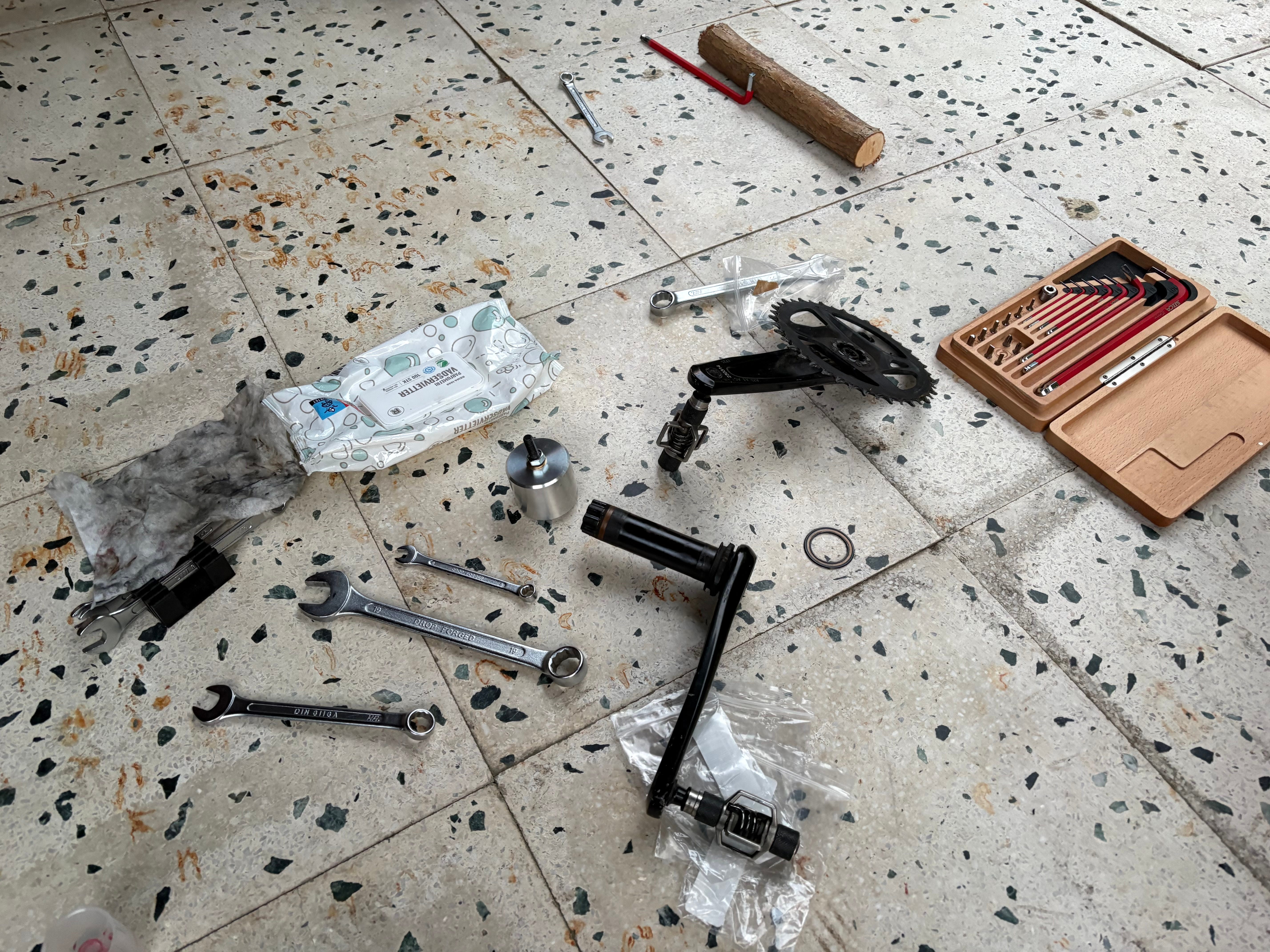
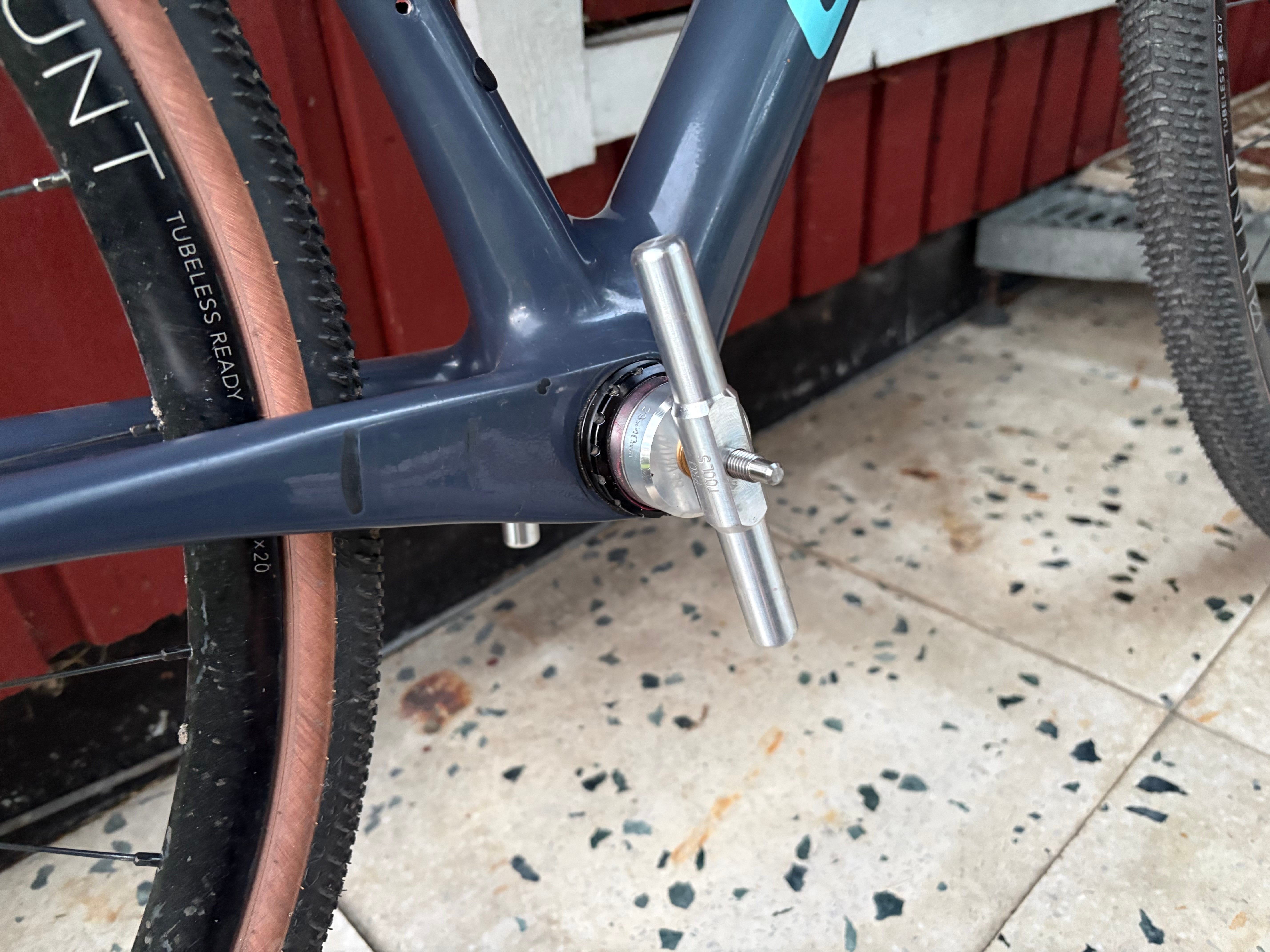
But using Gemini, I’ve been able to tackle it step by step. Each time I had trouble, I got the guidance I needed to move forward. It’s not like the AI just knew everything (how would it know which workarounds the mechanic had done, when even I didn’t know?), but it helped me measure the right things and order the right tools and parts, and now I’ve successfully fixed it.
And unlike the other three examples, the evidence is solid: the bike is working again, with smooth new bearings. Sure, it also feels amazing. But it isn’t just a feeling. Any cyclist can verify the result.
I don’t yet know what this means. It certainly doesn’t mean that I will begin trusting AI for everything. Right now I am also using it to help diagnose and suggest treatment for a minor issue I have had with a toe on my left foot. I am open to what it suggests. I assume that it can be wrong, and then I ask myself: is this safe to try? Fixing a pain in my foot is not quite as easy to verify as a mechanical bearing on a bike, but then again: when a small pain I feel daily suddenly disappears, it’s also not nothing (it’s been five days pain-free now, so more to come).
I am willing to keep exploring.
With love
—Mathias
Thanks for this. I’ve been using AI in my work as well. For me it’s an intriguing tool, although it can be useful to think of it as a being of some kind. It’s the first tool I ever felt I could converse with. Regarding trust, I think it will probably become more trustworthy over time, plus we will get a better sense of what to trust and what not to trust. I find myself checking up on my ai relatively often, kind of like an inexperienced assistant. I think it helps that I am operating in domains I already know something about. I can see how blind trust in a domain I don’t know well could easily get me into trouble.